
Trending: 16,824

How a Near-Fatal Roller Coaster Ride Led to a Breakthrough for Healthy Blood Pressure
The Life-Saving Secret Your Doctor May Never Mention

Are you worried about your blood pressure?
You should be—especially if you’re 40 or older…
But don’t just take my word for it.
There’s an urgent health warning most doctors never mention. In fact, the Centers for Disease Control (CDC) recently issued a notice that could change how you think about blood pressure forever:
Nearly half of U.S. adults—about 48%—have high blood pressure putting more than 119 million people at elevated risk for serious health complications
This warning is just one critical reason you need to know about a remarkable discovery scientists have linked to something called the “Rogue Blood Pressure Molecule.”
Very few people have even heard of this rogue molecule, but research shows it plays a key role in your blood pressure and circulatory health. And here’s the surprising part: when it’s under control, many people notice improvements not only in their heart health… but also in their energy levels and overall vitality.
Before I explain, you need to understand just how vital healthy blood pressure levels are to your well-being.
Blood pressure is so important, it’s one of the four main “vital signs” doctors use to assess your overall health.
The problem? As you get older, your body becomes less efficient at keeping your blood pressure in the normal range—especially when this rogue molecule is involved.
Your blood pressure — and the health of your arteries — isn’t something to ignore. It affects your entire body, but it’s especially critical for your:

Heart
Liver

Brain

Eyes
And while you’ve probably had your blood pressure checked dozens of times by doctors or nurses, chances are they’ve never explained what’s really driving those numbers behind the scenes.
Fortunately, today you have a rare opportunity. You’re about to discover the hidden factor scientists call the “Rogue Blood Pressure Molecule”—and why ignoring it could put your health at serious risk.
You’ll see how the aging process allows this rogue molecule to wreak havoc on your arteries…
You’ll find out why 1 in 3 American adults are living with blood pressure in the so-called “high normal” range and don’t even know it…
You’ll understand how researchers are linking this rogue molecule to dangerously fluctuating blood pressure levels—and why most routine checkups never reveal the full picture.
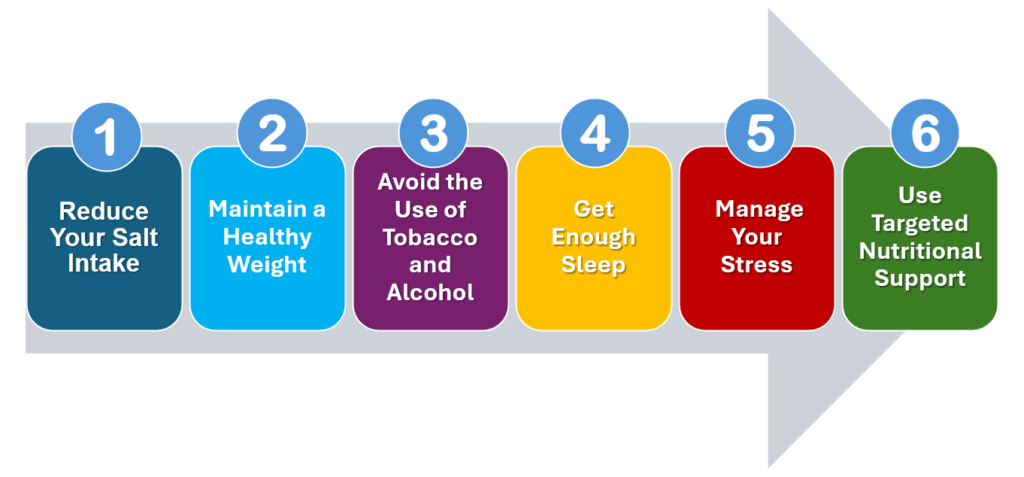
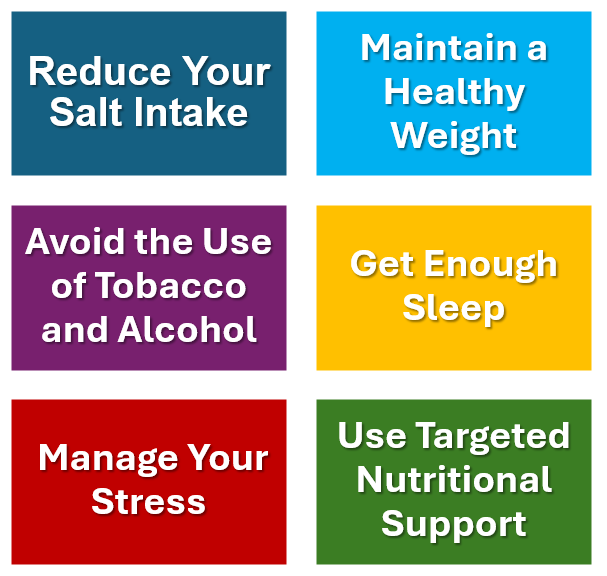
And by the time you finish reading this Urgent Health Alert, you’ll discover 6 simple, science-backed steps experts recommend for keeping your blood pressure in a healthy range—so you can take control before it’s too late.
Now, let’s dive right in…
Our story begins in 1998, when three U.S. scientists were awarded the Nobel Prize in Physiology or Medicine for uncovering the vital role of a simple gas called nitric oxide (N-O) in heart and circulatory health.
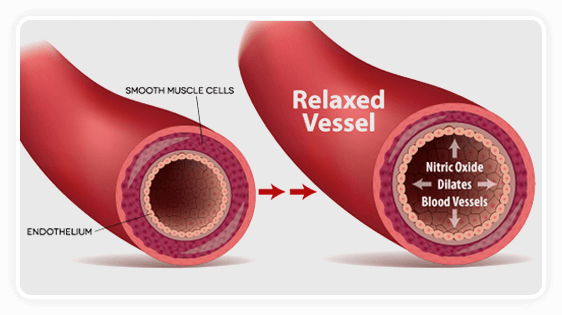
Nitric oxide is produced by the lining of your arteries — the endothelium — and acts like a natural signal telling your blood vessels to relax, open up, and allow smooth circulation. This discovery changed everything because it proved that healthy levels of N-O are essential for maintaining normal blood pressure and supporting overall cardiovascular well-being.
But here’s the part most people — even most doctors — never talk about: as you age, a dangerous “Rogue Blood Pressure Molecule” begins to interfere with this system.
Instead of helping your arteries stay flexible, this rogue molecule attacks your endothelium, reducing its ability to produce nitric oxide.
Less nitric oxide means your arteries can’t relax and expand the way they used to.
The result? Stiffer blood vessels, rising blood pressure, and declining circulation — often without any obvious symptoms until it’s too late.
Scientists now know this rogue molecule becomes more active after age 40, creating the perfect storm: dropping N-O levels and rising blood pressure risk.
And because N-O also supports energy, vitality, and even male performance, this decline can affect far more than just your heart.
Keeping this rogue molecule in check — and protecting your nitric oxide levels — is key to maintaining healthy blood pressure and overall vascular health as you age.
Now you know that maintaining healthy levels of nitric oxide (N-O) is essential for keeping your arteries flexible and your blood pressure in the normal range.
But there’s another critical piece of the puzzle: protecting your arterial lining from the damaging effects of the Rogue Blood Pressure Molecule and the oxidative stress it triggers.
Here’s what happens:
As this rogue molecule becomes more active with age, it sets off a chain reaction that leads to oxidative stress — an overload of unstable particles known as free radicals.
These free radicals attack your endothelial cells — the same cells responsible for producing nitric oxide.
The more damage these free radicals cause, the less nitric oxide your body can make … and the harder it becomes for your arteries to stay relaxed and healthy.
Free radicals come from all over — normal metabolism, exercise, even sunlight exposure. Pollution, processed foods, and toxins in the environment make things worse, adding more stress to your system over time.
This constant assault is what scientists call oxidative stress. Left unchecked, it damages cellular DNA, cell membranes, and even the energy-producing mitochondria inside your cells.
That’s why antioxidants are so important. They help neutralize free radicals before they can harm your arteries, your heart, and ultimately your blood pressure.
So far, we’ve learned:
- Your arterial lining is crucial for heart and blood pressure health.
- Nitric oxide keeps arteries relaxed and blood flowing smoothly.
- The rogue blood pressure molecule and free radicals attack this system, making things worse as you age.
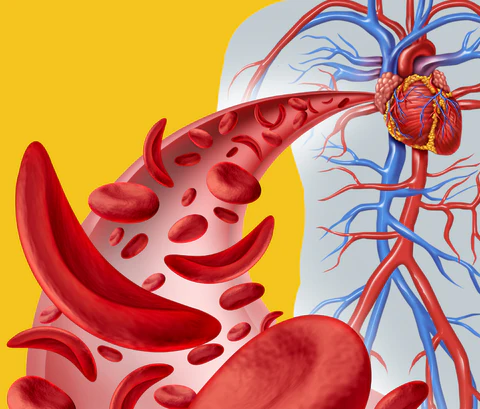
But before we go any further, there’s a simple question most people can’t answer:
What exactly is blood pressure?
You hear about it all the time. Your doctor checks it at every visit. But few people actually know what it really measures — or how it’s different from heart rate.
Let’s clear up the confusion…
Your heart rate, or pulse, is how many times your heart beats in one minute.
Your blood pressure measures the force of blood pushing against your artery walls each time your heart beats.
Over time, if blood pushes too strongly against your artery walls, it can lead to tissue damage.
The problem is, there are usually no obvious warning signs. Many people have blood pressure in the “high-normal” range without realizing it — the only way to know for sure is with regular monitoring.
Blood pressure naturally goes up and down throughout the day. Stress, illness, or even exercise can temporarily raise it. That’s why you and your doctor need to look for consistent patterns of readings that stay higher than they should be.
As you’ve learned, blood pressure is simply the force of blood moving through your arteries, carrying oxygen and nutrients from your heart to the rest of your body.
You’ve probably had it checked many times: a healthcare provider wraps a cuff around your arm, inflates it, and then slowly releases the air while listening to your pulse and watching the gauge.
This gauge measures the pressure in millimeters of mercury (mmHg) and gives you two numbers that define your blood pressure reading.
The top number, known as your systolic blood pressure, shows how much pressure is in your arteries when your heart contracts and pushes blood out.
The bottom number, called your diastolic blood pressure, shows the pressure in your arteries when your heart relaxes between beats.
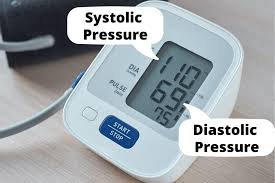
If your blood pressure reads 120 systolic and 80 diastolic, it’s written as “120 over 80” or 120/80.
Doctors generally prefer to see your blood pressure at 120/80 or lower, because this range suggests your circulatory system is working well. When the numbers start rising — especially the lower, diastolic reading — it’s a signal of added strain on your arteries.
Think of your arteries like a garden hose carrying water. When the hose is open and unobstructed, water flows freely with little pressure. But if the hose gets squeezed or narrowed, the pressure builds up, and it takes more force to push the water through.
The same is true for your blood vessels. If they lose flexibility or become restricted, your blood pressure rises. That’s why keeping your arteries elastic, open, and healthy is so important — it allows them to expand and contract naturally with each heartbeat.
You probably already have your blood pressure checked whenever you visit your doctor — and hopefully you follow the advice they give you. But here’s something many people don’t realize: it’s just as important to keep an eye on your numbers between visits, especially if you’re over 50 or have a history of blood pressure running a little high.
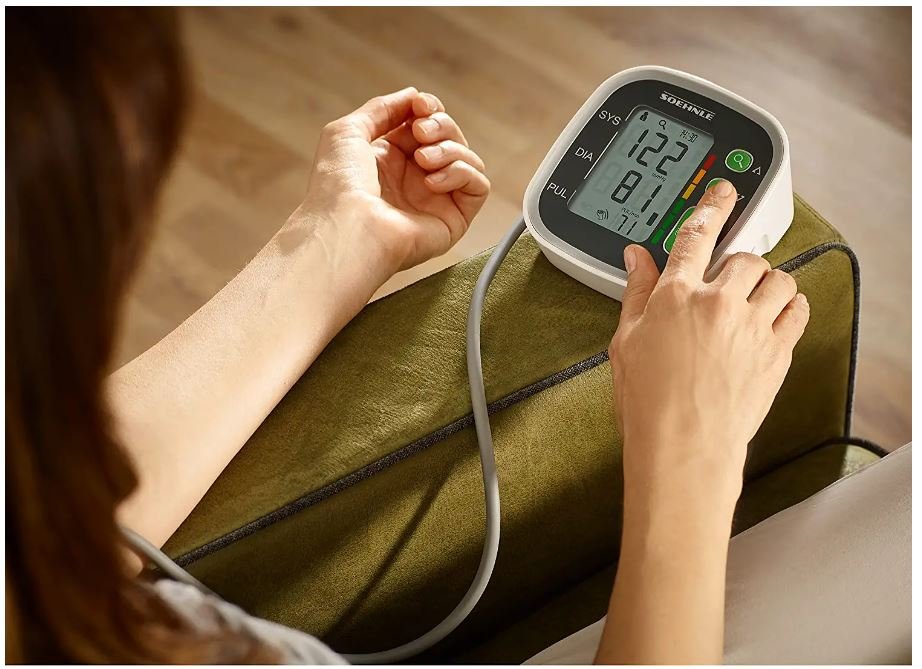
These days it’s easier than ever. You can use a home blood pressure monitor, or stop by many pharmacies and even some grocery stores where free machines are available for anyone to use.
But monitoring alone isn’t enough. To really protect your heart and arteries, you’ll also want to take a few simple, proactive steps that make it easier to keep your blood pressure in the healthy range.
Jerry Williams is a devoted husband, father, and grandfather whose life took a dramatic turn after a near-fatal heart attack on a roller coaster. That scare pushed him to dig deeper into the truth about blood pressure and heart health. Today, Jerry shares his 6 simple steps that anyone can use to support healthy blood pressure and better heart health:
About Jerry Williams

Jerry Williams is a husband, father, and proud grandfather whose life changed after a near-fatal heart attack on a roller coaster. While he’s no doctor, scientist, or nutritionist—just an ordinary guy—Jerry became passionate about understanding blood pressure and heart health. His journey led him to partner with Apollo Research, creating a breakthrough formula to support healthy blood pressure naturally.
Step 1 — Reduce Your Salt Intake

High sodium intake is one of the leading contributors to elevated blood pressure. The American Heart Association recommends limiting daily sodium to 1,500 mg — yet the average American consumes 3,400 mg per day, more than double the safe limit. Cutting back on processed and packaged foods, which are the biggest hidden sources of sodium, can help significantly lower blood pressure and reduce your risk of stroke.
Step 2 — Achieve and Maintain a Healthy Weight

Carrying excess weight forces your heart to work harder, placing strain on your arteries. Research shows that losing even 5% to 10% of body weight can make a noticeable difference in blood pressure levels. For many, this could mean lowering systolic blood pressure by 5 to 20 points — a huge step toward healthier circulation and heart function.
Step 3 — Avoid the Use of Tobacco and Alcohol

Smoking damages blood vessels and accelerates plaque buildup, while excessive alcohol raises blood pressure and weakens the heart. Studies reveal that smoking just one cigarette can cause an immediate spike in blood pressure lasting up to 30 minutes. Similarly, drinking more than one alcoholic beverage per day for women and two for men is linked to sustained hypertension. Eliminating or reducing both habits offers almost instant benefits to vascular health.
Step 4 — Get Enough Sleep

Sleep is not a luxury — it’s a necessity for cardiovascular health. People who regularly sleep less than 6 hours per night have a significantly higher risk of developing high blood pressure. During deep sleep, blood pressure naturally drops, giving your heart and vessels time to rest. Consistently missing out on sleep robs your body of this recovery period, leading to chronic strain on your cardiovascular system.
Step 5 — Manage Your Stress Levels

Chronic stress keeps your body in “fight-or-flight” mode, releasing hormones like cortisol and adrenaline that tighten blood vessels and raise blood pressure. Over time, unmanaged stress doubles your risk of hypertension. Techniques like meditation, deep breathing, yoga, or simply spending 15 minutes a day in nature can lower stress hormones, relax blood vessels, and support healthier blood pressure readings.
Step 6 — Use Targeted Nutritional Support for Your Blood Vessels and Blood Pressure

Modern science has uncovered the role of a rogue blood pressure molecule, Superoxide Anion, which damages arteries and lowers the body’s natural production of Nitric Oxide (NO). Since NO is essential for relaxing and widening blood vessels, its depletion contributes to higher blood pressure and stiffer arteries.
Targeted nutritional support can help combat this process. Ingredients such as Hawthorn Leaf, Hibiscus Flower, Olive Leaf Extract, Green Tea Extract, Garlic, Juniper Berry, Uva Ursi, Vitamin C, Vitamin B6, Folate, and Vitamin B12 have been shown in research to neutralize harmful molecules, restore nitric oxide activity, and support healthy circulation.
As Jerry Williams discovered on his journey after his near-fatal heart attack, one of the biggest threats to healthy circulation is the rogue blood pressure molecule, known to scientists as Superoxide Anion.
This destructive molecule latches onto and destroys Nitric Oxide (NO) — the Nobel Prize–winning compound your body depends on to relax and open blood vessels.
Without enough NO, your arteries stiffen, blood pressure rises, and your heart is forced to pump harder with every beat. And because your natural production of NO declines as you age, the older you get, the more aggressive this “rogue molecule” becomes.
Jerry realized that the key to restoring healthy blood pressure wasn’t another pill from Big Pharma… it was a natural formula that could:
- Neutralize Superoxide Anions before they damage your arteries
- Support nitric oxide production to keep your vessels open and flexible
- Strengthen the endothelial lining — the delicate inner wall of your arteries
- Defend against oxidative stress that drives vascular aging
That’s why Jerry partnered with Apollo Research, a U.S.-based supplement company, to create Cardio Shield — a breakthrough formula built on clinical science and natural ingredients.
Inside each capsule, you’ll find a precise blend of nutrients chosen to target blood pressure at the root:
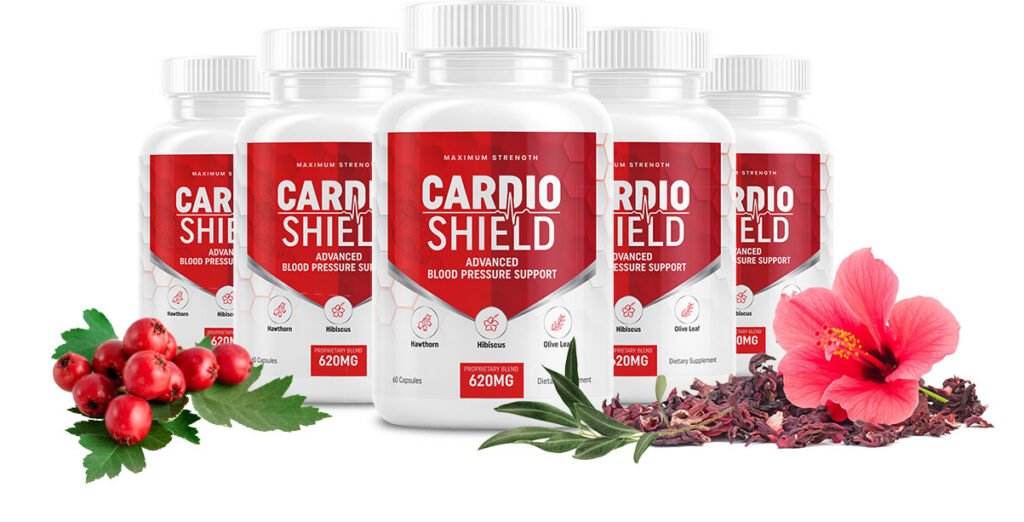
- Hawthorn Leaf & Olive Leaf Extract — support healthy circulation and vascular tone.
- Hibiscus & Garlic — clinically linked to promoting smooth, relaxed blood flow.
- Green Tea Extract, Buchu Leaf, Juniper Berry & Uva Ursi — antioxidant-rich botanicals that protect your arteries from oxidative stress.
- Vitamin C — safeguards nitric oxide so arteries stay flexible.
- Vitamin B6, Folate & B12 — help balance homocysteine levels, supporting artery integrity.
Together, these ingredients help protect your arteries from the rogue molecule, restore NO activity, and keep blood pressure closer to the healthy 120/80 range.
This improved circulation not only eases hidden strain on your heart, but also supports better energy, stamina, and even sexual performance — thanks to nitric oxide’s vital role in blood flow.
Instead of forcing you to buy a dozen separate supplements, Jerry and Apollo Research brought all these nutrients together in one simple, advanced formula. Manufactured in the USA in FDA-compliant, GMP-certified facilities, Cardio Shield is 100% natural, non-GMO, and rigorously tested for purity and safety.
And because Jerry knows how urgent this issue is, he insisted on making it affordable for everyone. That’s why Cardio Shield is being offered at a special 64% discount — with prices starting at just $39 per bottle.
Jerry also wanted to remove every ounce of risk for people who try Cardio Shield. That’s why every order comes with a full 180-day money-back guarantee.
If you’re not absolutely thrilled with your results — if your blood pressure doesn’t improve, if your energy doesn’t increase, or if you simply change your mind — you can return the bottles (even empty ones) for a complete refund.
Yours in Health,

Senior Editor, Prime Reviews
* The information contained within this site is not intended as a substitute for professional medical advice. If you have, expect to have, or suspect you may have any medical condition, you are urged to consult with a health care provider. These statements have not been evaluated by the Food and Drug Administration. These products are not intended to diagnose, treat, cure, or prevent any diseases or medical conditions. Results are based on the Smarter Reviews Ranking System and do not necessarily reflect typical results from the use of these products. Please visit product websites for more information.